Answering Questions About the Iranian War
On February 28 the United States launched a coordinated attack on the Iranian regime with help from the Israeli government. The attack followed years of tension regarding potential Iranian nuclear weapon development. The attack has gone on significantly longer than originally stated by the government, and with the constant chaos of headlines it is hard to keep track of what is happening. The purpose of this article is to provide very much incomplete but general answers to common questions regarding the conflict.
According to the U.S. Constitution, the President must get Congressional approval to declare war on another country. Donald Trump did not seek approval prior to the first strikes. By carefully referring to the situation as a “conflict” or “attack” rather than a war, the administration is able to avoid some of the pressure.
For years, the Israeli government has been saying Iran is close to having nuclear weapons. Though it has yet to come true, if it did it would mean a nuclear bomb in the hands of an adversary to both the United States and Israel. In those years, Israel has privately urged several American presidents to invade Iran with no success… until the newest administration led by Donald Trump.
As of right now, there is no clear timeline for when the situation might end. Following failed peace talks in the past few weeks between the countries there seems to be no signs of peace in the near future. It is especially unpredictable with the ever-changing nature of Donald Trump’s statements. He has made a consistent habit of making extreme announcements about the war and quickly saying something of the opposite.
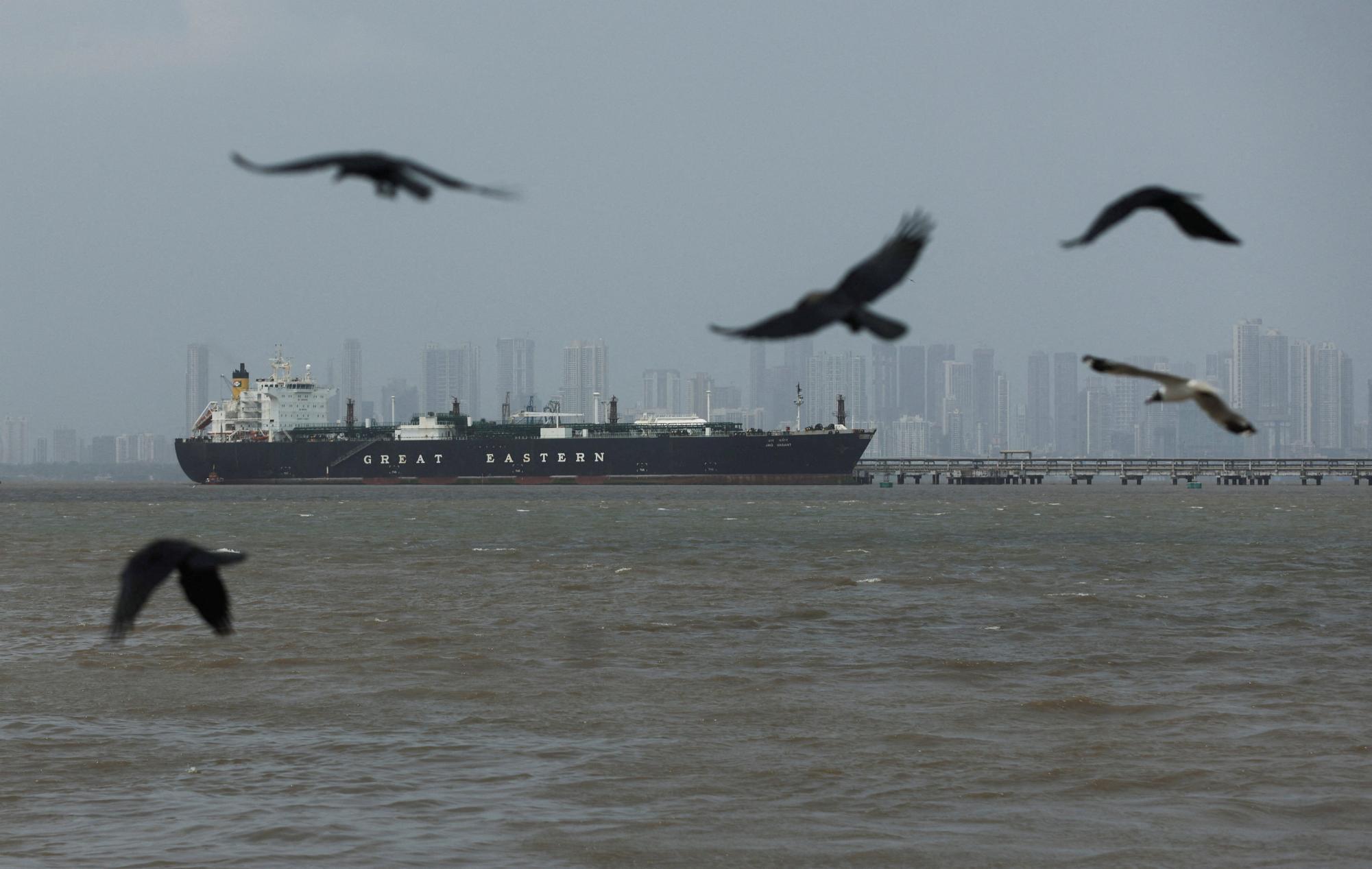
The most clear impacts of the war thus far have been higher prices and political implications. Due to the blocking of the Strait of Hormuz, a key international shipping passageway controlled by Iran, exports from the region (primarily oil) have become significantly more expensive. Alongside rising prices, Donald Trump’s approval ratings have been steadily falling, sitting now between 35-40% – the lowest of his second term. Trump’s low approval ratings could have large scale impacts this November in the Midterm Elections.
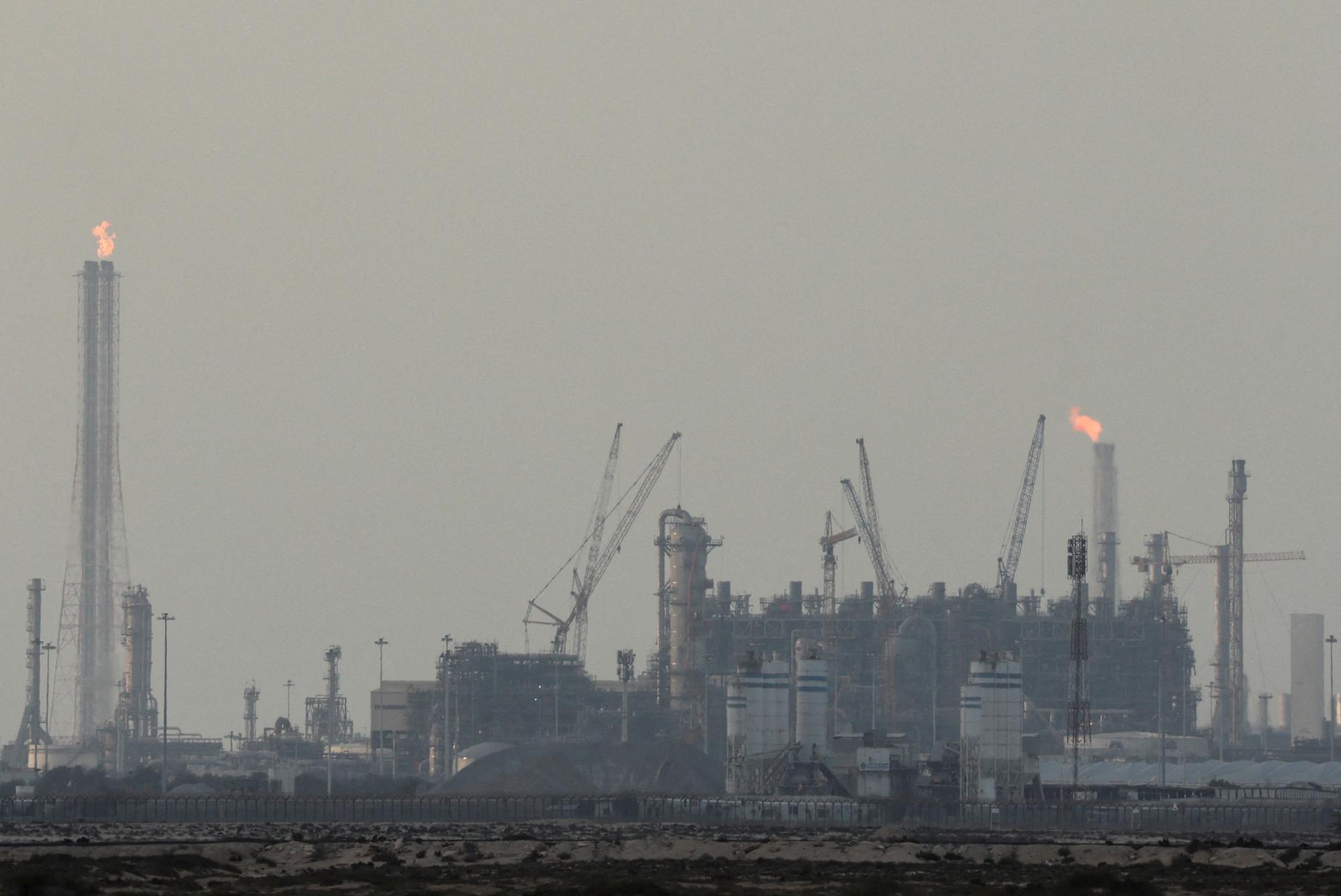
Roughly 20% of the world’s oil reserves flow through a section of the Persian Gulf called the Strait of Hormuz. Due to the conflict, almost all boats coming out of the area have been halted. This means a major proportion of the world’s oil is not being transported. Prior to the attacks, the price of an oil barrel hovered around $60, that number almost doubled to $112 by April 6. Given Trump’s order to create a second blockade in the Strait, oil prices could continue to rise.
All in all, the state of the conflict is unpredictable at the moment. With new updates coming every week and a rollercoaster of statements coming from all governments involved, it is impossible to know how things will end. We could see anything from a cease fire in the coming months to a full scale U.S. invasion. The bottom line is: things are chaotic, and it is impossible to predict anything.
Your donation will support the student journalists of Barnstable High School. Your contribution will allow us to purchase equipment and cover our annual website hosting costs.